
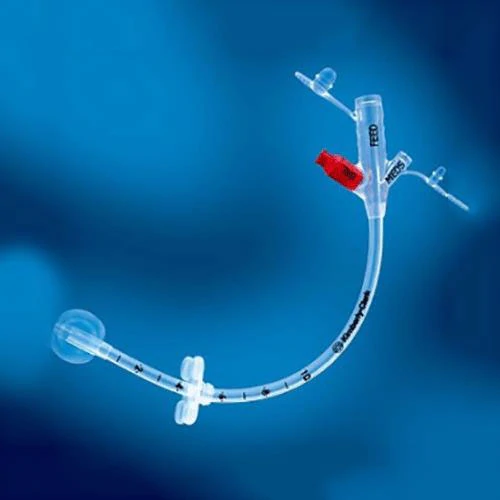
Gastrostomy Tube
$59
A gastrostomy tube (G-tube) provides life-sustaining nutrition for patients who can’t eat orally. Learn about PEG tube placement, care, complications, and how to choose the right feeding tube for adults or children.
A gastrostomy tube (G-tube or PEG tube) is a medical device that delivers nutrition, hydration, and medication directly to the stomach through a surgically placed tube. Designed for patients with dysphagia, neurological disorders, or cancer-related malnutrition, G-tubes offer a safe, long-term solution for enteral feeding when oral intake isn’t possible.
Why Gastrostomy Tubes Are Essential
G-tubes are vital for survival and quality of life, especially for conditions like ALS, stroke, cerebral palsy, or head/neck cancer. Unlike temporary NG tubes, a PEG (percutaneous endoscopic gastrostomy) tube is inserted during a minimally invasive procedure and can remain in place for months or years.
Key Benefits of Modern G-Tubes
- Precision Nutrition: Delivers formula at controlled rates (continuous or bolus feeds).
- Low-Profile Designs: Discreet options like MIC-KEY or AMT MiniONE for active lifestyles.
- Reduced Complications: Secure placement minimizes infection risks vs. NG tubes.
Who Needs a G-Tube?
- Infants & Children: With congenital disorders or failure to thrive.
- Adults: Managing Parkinson’s, MS, or post-surgical recovery.
- Elderly Patients: With advanced dementia or swallowing difficulties.
Critical Considerations
- Placement Procedure: Endoscopic (PEG) vs. surgical, with 1–2 day recovery.
- Daily Maintenance: Flushing, skin care, and recognizing early infection signs.
- Emergency Protocols: Handling tube dislodgement, blockages, or leaks.
Be the first to review “Gastrostomy Tube”
Related products


Reviews
There are no reviews yet.